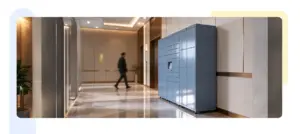








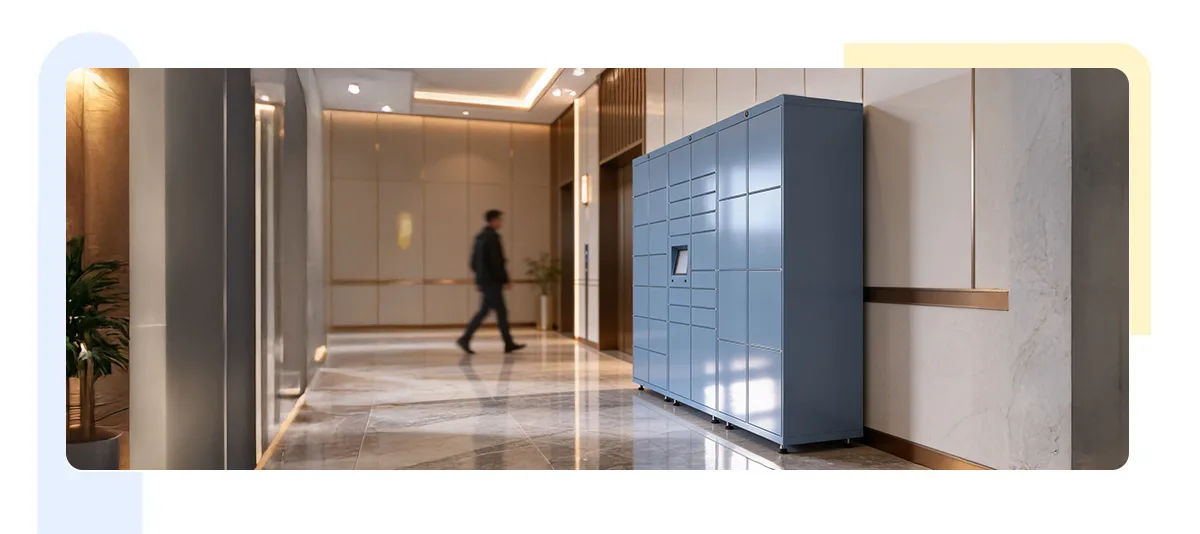

The humble locker is undergoing a significant transformation. What was once a simple storage unit is now evolving into an intelligent infrastructure layer supporting logistics, enterprise operations, and secure asset management.
Across industries, organizations are adopting smart lockers as part of broader digital transformation initiatives. These systems combine locker technology, advanced access control, and automation to create secure locker systems that are more efficient, scalable, and data-driven than traditional storage models.
The global growth of smart lockers reflects a wider shift toward automation and intelligent infrastructure. From e-commerce lockers that streamline last-mile delivery to industrial lockers that secure tools and equipment, smart locker systems are quickly becoming a core component of modern operations.
A Rapidly Expanding Global Locker Market
Demand for smart storage solutions is expanding across regions as organizations seek better ways to manage physical assets, packages, and equipment.
The global locker market is being shaped by three structural shifts.
First, the exponential growth of e-commerce has created pressure on last-mile logistics. Retailers and logistics providers are deploying secure parcel lockers and automated locker systems to reduce delivery failures and improve customer convenience.
Second, enterprises are rethinking how they manage physical assets. Locker systems for business are increasingly used to automate the distribution and return of equipment, documents, and devices while maintaining accountability through locker tracking systems.
Third, heightened security expectations are driving demand for high-security lockers equipped with advanced security lockers and smart authentication mechanisms.
Together, these forces are accelerating the international locker market and positioning smart lockers as a foundational technology across industries.
Four Trends Accelerating the Global Growth of Smart Lockers
- Intelligent Access Control is Becoming the Standard
Modern access control lockers are designed to integrate multiple authentication methods, providing both flexibility and security.
Common technologies include:
- RFID lockers for employee and resident access
- Biometric lockers for high-security environments
- Mobile-based smart access systems
- PIN or QR code-enabled authentication
These capabilities allow organizations to implement secure storage technology while maintaining seamless user experiences.
- Cloud-Based Locker Infrastructure
One of the most significant shifts in locker technology is the move toward cloud-based lockers.
Traditional lockers functioned as standalone storage units. Modern locker systems operate as connected infrastructure that can be centrally monitored and managed.
Through cloud-based platforms, administrators can:
- Monitor locker usage across locations
- Control access permissions remotely
- Track deliveries using locker tracking systems
- Generate operational analytics
This shift is enabling advanced locker systems that scale across enterprises, campuses, and logistics networks.
- Modular and Scalable Locker Architecture
Flexibility has become a key design principle in locker innovations.
Today’s systems are increasingly built as modular lockers, allowing organizations to expand locker capacity without replacing existing infrastructure. This modular design enables the deployment of scalable lockers that adapt to changing operational needs.
For example, logistics hubs may increase locker capacity during peak seasons, while enterprises may add lockers as their workforce grows.
This adaptability is a critical factor supporting smart locker growth globally.
- Durability and Sustainability in Locker Design
In high-use environments such as factories, hospitals, and logistics centers, durability is essential.
Manufacturers are investing in durable lockers and durable storage solutions designed for continuous operation in demanding conditions. Materials are selected to withstand heavy usage, environmental exposure, and operational stress.
At the same time, organizations are increasingly prioritizing sustainable lockers built with environmentally responsible materials and energy-efficient systems.
This combination of durability and sustainability is shaping the next generation of high-tech lockers.
Expanding Applications Across Industries
The versatility of advanced locker systems is driving adoption across a wide range of sectors.
Logistics and E-commerce
Perhaps the most visible application is in logistics. E-commerce lockers and secure parcel lockers help solve the persistent challenges of last-mile delivery.
Instead of coordinating delivery windows, couriers can deposit packages in lockers while customers retrieve them at their convenience. This model improves delivery success rates and reduces operational costs.
Enterprise Workplaces
Enterprises are deploying automated storage systems to manage laptops, devices, and critical documents.
Through digital locker solutions, organizations can assign access, track usage, and ensure secure handovers between employees or departments.
Healthcare
Healthcare facilities rely on secure locker systems to store medical equipment, pharmaceuticals, and staff belongings.
These locker applications support operational efficiency while maintaining strict security and compliance requirements.
Industrial and Manufacturing Environments
Factories and warehouses often deploy industrial lockers for tool management and equipment distribution.
These lockers provide secure storage while ensuring that tools are traceable and accessible only to authorized personnel.
Residential and Commercial Real Estate
Property managers are installing secure parcel lockers and contactless locker systems to manage deliveries in apartment buildings and commercial complexes.
For residents and tenants, lockers provide convenient access to packages. For property managers, they reduce operational burden and improve delivery management.
Innovation is Reshaping the Locker Ecosystem
The next wave of locker innovations is being driven by connectivity, automation, and advanced security.
Emerging developments include:
- AI-powered locker allocation and usage analytics
- Integration with building access systems and smart infrastructure
- Mobile-first contactless locker systems
- Enhanced cybersecurity for advanced security lockers
These innovations are turning lockers into intelligent infrastructure rather than passive storage units.
What the Future Holds for Smart Locker Systems
The global growth of smart lockers reflects a deeper shift in how organizations manage physical assets and deliveries.
As automation expands and digital infrastructure becomes more integrated, secure locker systems will increasingly support logistics networks, enterprise operations, healthcare environments, and residential communities.
For businesses, the value proposition is clear. Smart locker features offer security, automation, and operational visibility in a single solution.
What began as a simple storage tool is now evolving into a critical part of modern automated storage systems and secure access infrastructure.
And as the international locker market continues to grow, the role of smart lockers will only become more central to how organizations manage the physical world in an increasingly digital economy.